Translate

quinta-feira, 22 de outubro de 2020

MESTRADOS E DOUTORADOS COM BOLSAS DO PROGRAMA ERASMUS MUNDUS DA UNIÃO EUROPEIA


*Mestrados "Erasmus Mundus"
São Mestrados COMPLETOS! Não há modalidade sanduíche. É possível se candidatar para no MÁXIMO 3 programas.

A lista de Mestrados "Erasmus Mundus" oferecidos atualmente (cerca de 100 Mestrados) está listados em:
https://eacea.ec.europa.eu/erasmus-plus/library/scholarships-catalogue_en

Doutorados:
Os programas de doutorado ocorrem no âmbito das Ações do Marie Sklodowska-Curie que são parte integrante do Programa de Pesquisa e Inovação chamado Horizon’s 2020. Oportunidades podem ser encontradas em:
Horizon 2020 - http://ec.europa.eu/programmes/horizon2020/en/
Marie Curie – http://ec.europa.eu/research/mariecurieactions/index_en.htm

ALGUMAS RESPOSTAS PARA DÚVIDAS COMUNS SOBRE OS MESTRADOS *ERASMUS MUNDUS*:

- Cada um dos 100 Mestrados possui pré-requisitos diferentes. Ao visitar o Website do seu curso de interesse, leia atentamente os pré-requisitos e siga o passo a passo para a candidatura (tudo é bem explicado no site de cada curso/programa, não existe edital como no Brasil). Depois de ler atentamente as informações no site do programa, caso ainda exista alguma dúvida, a sugestão é contatar a coordenação do curso pretendido para obter a informação.
- Os pré-requisitos de cada programa variam, mas normalmente os documentos (mínimos) exigidos pela maioria dos cursos são:
- Diplomas: Diploma de conclusão de curso e histórico escolar (cópias certificadas e tradução juramentada da graduação e/ou mestrado), que varia com o curso pretendido (mestrado ou doutorado).
- Tradução (Certified translation): as traduções devem ser juramentadas, ou seja, feita por uma pessoa que tem autorização para isso. Em cada Estado do Brasil existe uma lista de tradutores autorizados, que pode ser encontrada no Google. Na Bahia estão na Juceb (Salvador). Algumas Universidades no Brasil emitem documentos em inglês, portanto não será necessário gastos extras com tradução (para quem está finalizando a graduação).
- Cópias certificadas (Certified true copies): são cópias dos documentos originais feitas em orgãos públicos, que irão atestar a veracidade do documento. No Brasil, geralmente são feitos em cartórios, registros, polícia, embaixadas. Não envie documentos originais ou cópias simples (apenas um xerox), mas sim cópias certificadas.
- Carta de motivação (Statement of Purpose/Motivattion Letter): é uma carta na qual o/a candidato/a deve explicar porque é o candidato ideal para o curso pretendido. Use este momento para explicar como a trajetória de estudos, trabalho, voluntariado se relaciona com o curso pretendido e como esse curso será relevante para os planos futuros. Não são fornecidas exemplos de carta de motivação por motivos óbvios: elas ficariam todas iguais.
- Carta de recomendação (recommendation letter): as cartas devem ser escritas por pessoas (Professores, Coordenadores, Chefes). Opte por alguém que de fato conhece você. Sugestão: peça folha timbrada, carimbo, assinatura e tudo que possa atestar veracidade. Alguns cursos pedem carta de recomendação selada, isso quer dizer, dentro de envelope fechado. Esteja sempre atento para as orientações específicas do curso pretendido.
- Teste de proficiência (proficiency exam for a foreign language): prova oficial para comprovar conhecimento de idioma estrageiro.  IELTS, TOEFL IBT (TOEFL ITP normalmente não é aceito), DELF, etc.
- Dicas: agende a prova de proficiência com antecedência e fique atento a sua validade (ex: TOEFL ibt tem validade de 2 anos). Os cursos podem divergir na pontuação mínima, alguns são mais exigentes e outros menos.
- Comprovante de residência (Proof of residence): varia de instituição e curso, portanto caso não esteja listado no site os documentos que serão aceitos como comprovante de residência, melhor perguntar na coordenação do curso pretendido. Em alguns casos  podem ser aceitas as páginas do passaporte escaneadas ou até mesmo uma conta de telefone com nome e endereço. Sugestão: opte sempre por documentos emitidos por orgãos oficiais, por exemplo: comprovante eleitoral (presume-se que você vote em Ilhéus) emitido pelo cartório eleitoral local.
- Prazos de inscrição (Deadlines): varia de curso para curso.  Em regra geral: as candidaturas abrem em Outubro, sendo que o prazo para candidatos com bolsa de estudos acaba meses antes do que candidaturas sem bolsa de estudos (self funded students).Os resultados geralmente são enviados por email nos meses de Abril e Maio e o início das aulas é em Setembro.
- Sugiro que inicie as buscas dos documentos o quanto antes e fique atento para o envio de TODOS os documentos, pois a documentação incompleta é geralmente o primeiro fator para a exclusão.
- Não existe limite de idade.

Boa Sorte!

Maria Morais
Courses Coordinator LCA


terça-feira, 4 de agosto de 2020

New Courses after Pandemic


Leadership Training Course - Curso em Liderança para jovens em busca de oportunidade no mercado de trabalho. Carga horária, Custo e data de inicio a ser divulgada em breve. Stay tuned!

quinta-feira, 16 de janeiro de 2020

ERASMUS+ PROJECT OF THE EUROPEAN UNION - ALUNAS DO CURSO DE INGLÊS DE ILHÉUS SELECIONADAS PARA PROJETO INTERNACIONAL


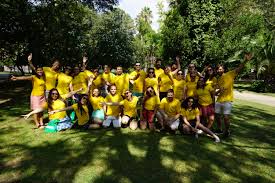
O LCA - Language Centre for All participou do Projeto Cuspydal - Customized Support to Youth Leadership - Capacity Building, co-ficanciado pelo Programa Erasmus+ da União Europeia, selecionando para a parceira Cooperbom Turismo, 2 (duas) de suas alunas para o Training Course ocorrido na Sardenha - Itália, de 9-16 de setembro de 2019.

Participaram pelo Ceep do Chocolate, a Professora Tatiana Nascimento do Curso Técnico de Guia de Turismo, e pela comunidade, a jovem arquiteta Uendi Morais Barreto.
Foram dias de intensas atividades que acrescentaram valor às carreiras das participantes e trouxeram grande entusiasmo na disseminação do projeto a nível local.
Uma nova etapa foi aplicada em San José - Costa Rica em dezembro, e a agenda segue com atividades locais que ocorrerão em todos os países participantes do projeto em março de 2020.

#erasmusplus2019 #lcalanguagecentreforall #cooperbomturismoilheus  #cuspydalproject
#cuspidalmobility

quinta-feira, 22 de agosto de 2019

Cambridge English * First for Schools *


Uma excelente oportunidade neste vídeo para compreender as diferenças no sotaque do inglês falado. Dois jovens com origens diferentes em um speaking test. Uma maneira prática de treinar o inglês. 

BUSINESS MODEL CANVAS


Business Model Canvas is a strategic management and lean startup template for developing new or documenting existing business models. It is a visual chart with elements describing a firm's or product's value proposition, infrastructure, customers, and finances.
It's a great tool to use to improve the focus and clarity of what your business is trying to achieve. It eliminates all of the fluff from the traditional business plan and lets you zero in on what's important.

sábado, 15 de setembro de 2018

LCA INICIA NOVO PROJETO SOCIAL EM ILHÉUS

Teve início o  PROJETO LLEC - Lifelong English Course - "Inglês para a Vida" em parceria com o CEEP do Chocolate Nelso Shaun/APPI, atendendo a uma demanda dos cursos do Eixo Turismo da instituição.
O projeto é uma iniciativa da Cooperbom Turismo com o Language Centre for All - LCA, com professores voluntários, envolvendo alunos e professores da instituição e da APPI. Estão sendo capacitados no idioma Inglês 48 alunos e professores nas instalações da APPI no Malhado.
Para a coordenadora de cursos do LCA e Gerente de Projetos da Cooperbom Turismo, Maria Morais, "a iniciativa era um anseio antigo da Cooperbom Turismo, considerando a necessidade de ter profissionais do turismo e comunidade capazes de se comunicarem em Inglês com turistas e visitantes que sentem a dificuldade na comunicação do dia-a-dia".


O Projeto é totalmente gratuito para os participantes e espera-se que os resultados sejam acima das expectativas dado o entusiasmo dos participantes.


quarta-feira, 12 de abril de 2017

HOW TO LEARN ENGLISH FASTER: 10 TIPS

Learning English fast can seem impossible. But I’m here to tell you that it isn’t – as long as you have the right strategy.
Take these 10 tips on how to learn English faster as your starting point and you’ll master this wonderful language in no time!
1. READ EVERYTHING YOU CAN GET YOUR HANDS ON
Classic literature, paperbacks, newspapers, websites, emails, your social media feed, cereal boxes: if it’s in English, read it. Why? Well, this content will be full of juicy new vocabulary, as well as a fair amount you already know. This helps you improve quickly, as re-exposure to learned vocabulary gives you new examples in context, therefore reinforcing those words in your mind. On the other hand, learning new words and expressions is essential to building your vocabulary arsenal, particularly in a language like English with so many words! However, don’t just read and move on – next, you’ve got to…
2. ACTIVELY TAKE NOTE OF NEW VOCABULARY
This tip is a classic one for good reason: it works! When learning, we often enjoy a new word of phrase so much that forgetting it seems impossible. But trust us, not everything sticks the first time. To fight this, get into the habit of carrying around a funky notebook or using a tool like Evernote. Whenever you hear or read a new word or expression, write it down in context: that is, in a sentence and with its meaning noted. This saves you time as you won’t return to that word and ask yourself: “What did that word/expression mean again?”
3. TALK WITH REAL LIVE HUMANS
What is a language for if not to communicate? Sure, we humans have become experts at communicating without opening our mouths – thanks Whatsapp! – but when push comes to shove, it’s true that speaking a language helps it stick in your head far better than only reading or writing it. Just think of how many times you’ve heard people say that they “understand, but can’t speak English.” A lot of would-be English speakers have turned talking into a huge insurmountable barrier that only serves to psyche them out. Don’t be like that. Seek out native speakers for an informal language exchange, enroll in a course, or take classes online.
4. SUBSCRIBE TO PODCASTS OR YOUTUBE CHANNELS (IN ENGLISH)
Like humor? Politics? Blogging? Cooking? With topics covering every interest imaginable, there’s an English-speaking podcast or Youtube channel out there for you. Subscribe to a few and listen while driving or watch during the commute to school or work. At first, you might find the native accents difficult, but stick with it and you’ll soon start to understand what you hear (as well as learning lots of new vocab from a native speaker!)
5. GO ABROAD
If there’s a better way to learn English than being immersed in it while living and studying in an English-speaking country, we’d love to know! It’s no secret that English is the most widely-spoken language in the world, and with a long list of countries to choose between, you can select your ideal learning environment based on hemisphere, weather, or favorite city. Think Australia, New Zealand, the UK, the US, Canada and South Africa to name a few!
6. USE YOUR FRIENDS
Have friends who post online in English? Don’t gloss over them in your newsfeed: scan the items they share and commit to exploring one or two each day. They might be news or magazine articles, videos, talks, blog posts, songs, or anything else: if it’s in English and the topic interests you, it’s going to be helpful!
7. ASK A LOT OF QUESTIONS
Curiosity may have killed the cat, but it also propelled the language learner to fluency! As you learn English, you’ll soon collect a mountain of questions. Don’t sit on your doubts – be curious and resolve them! If you’re enrolled in a course, ask your teacher (it’s what they’re there for, after all). But if you’re learning alone, don’t worry: find answers in blogs or language websites, ask other learners, or read through forums. You’ll be happy you did!
8. TAKE A LEAD FROM THE STARS
Mix up your learning by picking a native English-speaking actor or singer you like. Now, head online, find a bunch of interviews they’ve given – and watch them! Watch once for gist, then again, taking time to note down interesting expressions and words you hear. The slang, stories, humor, and anecdotes that come out of these interview are sure to give you plenty to work with!
9. START WITH WHAT YOU REALLY NEED
Your English studies are likely to go far more quickly if you constantly remind yourself of your motives for learning. Are you going on a study exchange? Then, focus on vocabulary related to your studies. Have an overseas conference? Brush up on conversation starters to use with the other participants. Going on a gap year? Looks like travel and tourism vocabulary will be your guide. If you simply launch into learning English hoping to magically learn anything and everything at once, you’re likely to end up confused and burned out. Which brings us to…
10. DON’T KICK YOURSELF WHILE YOU’RE DOWN
When you start to feel like you’re not making ground – which happens to all learners at some point – don’t say, “I don’t speak English,” or “I’ll never get this.” In fact, ban those phrases from your vocabulary! They only blur your understanding of the progress you’re making and convince you that your dreams of speaking English well are impossible. Instead, say “I’m learning English and making improvements everyday,” “It’s not always easy, but it’s worth it,” “I’m so much better that I was six months ago,” and other phrases to remind yourself of the big picture.

Text by EF Language Centre